Aloha gang, Dr. Russ Rosen here!
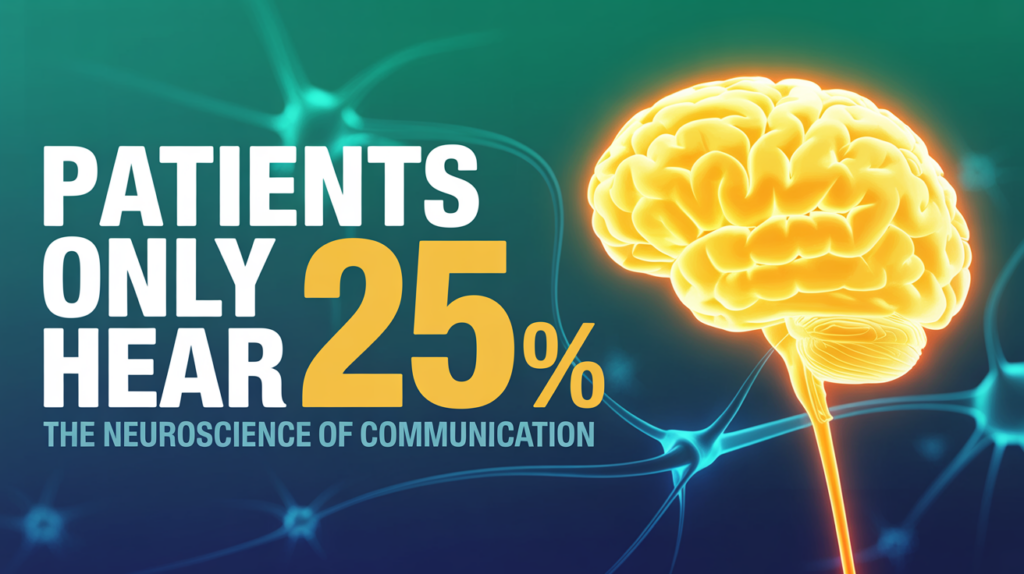
In an average conversation, people hear about 25% of what the other person is saying. But as doctors, we need our patients to hear 100% — because when they don’t, they push back on care plans, skip the nutrition, and walk around with belief systems like “chiropractors just crack backs.”
In this episode of Rosen Interviews the Greats, I sit down with Dr. Kurt Palmer of Optimal Health Systems. Kurt came into the holistic nutrition world through an unusual door — business administration, then marriage and family therapy, then a doctorate in industrial organizational psychology. That combination makes him one of the most fascinating minds I’ve met on the subject of how people actually make decisions.
The Reptilian Brain Is Filtering You Out
Here’s the neuroscience in a nutshell: the reptilian brain is a survival filter. If information isn’t about survival, 94–98% of it never gets through — never reaches the neocortex where thinking happens, and never drops into the limbic system where emotions live and where ALL buying decisions are made.
So when you speak from your neocortex to your patient’s neocortex — facts, research, lecture mode — you’re speaking to a part of the brain your message never actually reaches.
The fix? Make it about THEM (everyone’s favorite subject), ask Socratic questions that make them think rather than nod, and use stories and metaphors that tie your message to experiences already living in their limbic system.
Mad, Glad, Sad, and Scared
Kurt adds a dimension I love: there are only four primary emotions — mad, glad, sad, and scared. Everything else, including guilt, is a watered-down version we use to make emotions manageable. And because emotions happen BEFORE thinking, every decision your patient makes has already been colored by emotion before their logical mind ever weighs in.
That’s why fear, facts, and force don’t work. Studies show only about 10% of people maintain a change made through pressure a year later. But when patients co-create the plan — when it’s THEIR decision, not yours — commitment, follow-through, and loyalty go through the roof.
As Kurt puts it: people love resources. They don’t love dictators.
How Many Push-Ups Does It Take to Fix Scurvy?
My favorite part of this conversation is watching the frameworks in action. When a patient says “I don’t need nutrition” or “you just crack backs,” you don’t argue. You don’t make them wrong. You poke a hole in the belief system with a question:
“Scurvy is a vitamin C deficiency. How many push-ups will it take to fix it?”
Zero, obviously. “How many chiropractic adjustments?” Also zero. “And if someone’s getting plenty of vitamin C but can’t digest or absorb it — should I give them more vitamin C?”
Now the patient is thinking, reasoning, and reaching the conclusion themselves: structure, function, AND nutrition have to work together. You didn’t convince them. They convinced themselves. That’s the difference between short-term compliance and a patient who stays, pays, and refers for a lifetime.
Ready to Effortlessly Integrate Nutrition Into Your Practice?
If nutrition still feels like a bolt-on in your office — something you mention, patients ignore, and you quietly give up on — the problem isn’t your patients. It’s the conversation.
I’ve spent decades helping chiropractors, naturopaths, and holistic practitioners build thriving, care-versus-scare, TRUE optimal health practices where nutrition is fully integrated into every visit — no convincing, no pressure, no awkward selling.
If you’d like to see how that would look in YOUR practice, let’s talk.
And if you want to experience the OHS difference for yourself, start where I tell every doctor to start: Digest-A-Meal. It doesn’t matter what you put in your mouth if it never makes it across the cell wall. Grab your first bottle here.
Much love and aloha,
Dr. Rosen